
About Me
Hello, my name is Diogo. I'm a DevOps Engineer with 4 years of experience, based in Lisbon. I work with cloud infrastructure, Kubernetes platforms, delivery pipelines and monitoring systems, mostly around AWS, Terraform, ArgoCD, Prometheus and Grafana.
This site is my personal technical notebook. I publish notes from production work, homelab testing and infrastructure projects so they are easy to find later and useful to other engineers facing the same operational problems.
Technical Skills
| Area | Skills |
|---|---|
| Programming Languages | Python, Go and Bash |
| Cloud Providers | AWS and Azure |
| Containers and Orchestration | Kubernetes, Docker, Helm and Kustomize |
| Infrastructure as Code | Terraform and Ansible |
| CI/CD | ArgoCD, Jenkins and GitHub Actions |
| Monitoring | Prometheus and Grafana |
Certifications
- CKA: Certified Kubernetes Administrator
- HashiCorp Certified: Terraform Associate (003)
- AWS Certified Solutions Architect, Associate
- AWS Certified Cloud Practitioner
- Microsoft Certified: Azure Administrator Associate
- Microsoft Certified: Azure Fundamentals
What I Do At Work
I work on cloud and on-premises Kubernetes infrastructure. My day-to-day work includes provisioning AWS resources with Terraform, designing GitOps delivery workflows with ArgoCD and Helm, building Prometheus and Grafana observability stacks, operating logging pipelines on Kubernetes, and helping migrate workloads from on-premises platforms to AWS EKS.
The common thread is reliability: making environments reproducible, observable and easier to recover when something fails.
Current Personal Projects
- Running a 3-node Raspberry Pi Kubernetes homelab for GitOps, ingress, TLS, monitoring and Cilium/eBPF experiments
- Documenting DevOps notes from production work, personal infrastructure projects and homelab testing
- Building hands-on AWS infrastructure with Terraform, EKS, IAM, networking, CI/CD workflows and cost-aware automation
Highlight 1: Personal Kubernetes Homelab
Outside work, I run a 3-node Raspberry Pi 4B Kubernetes homelab. I treat it as a small production-style platform where I can validate GitOps delivery, ingress design, TLS automation, bare-metal load balancing, monitoring, resource limits and recovery procedures.
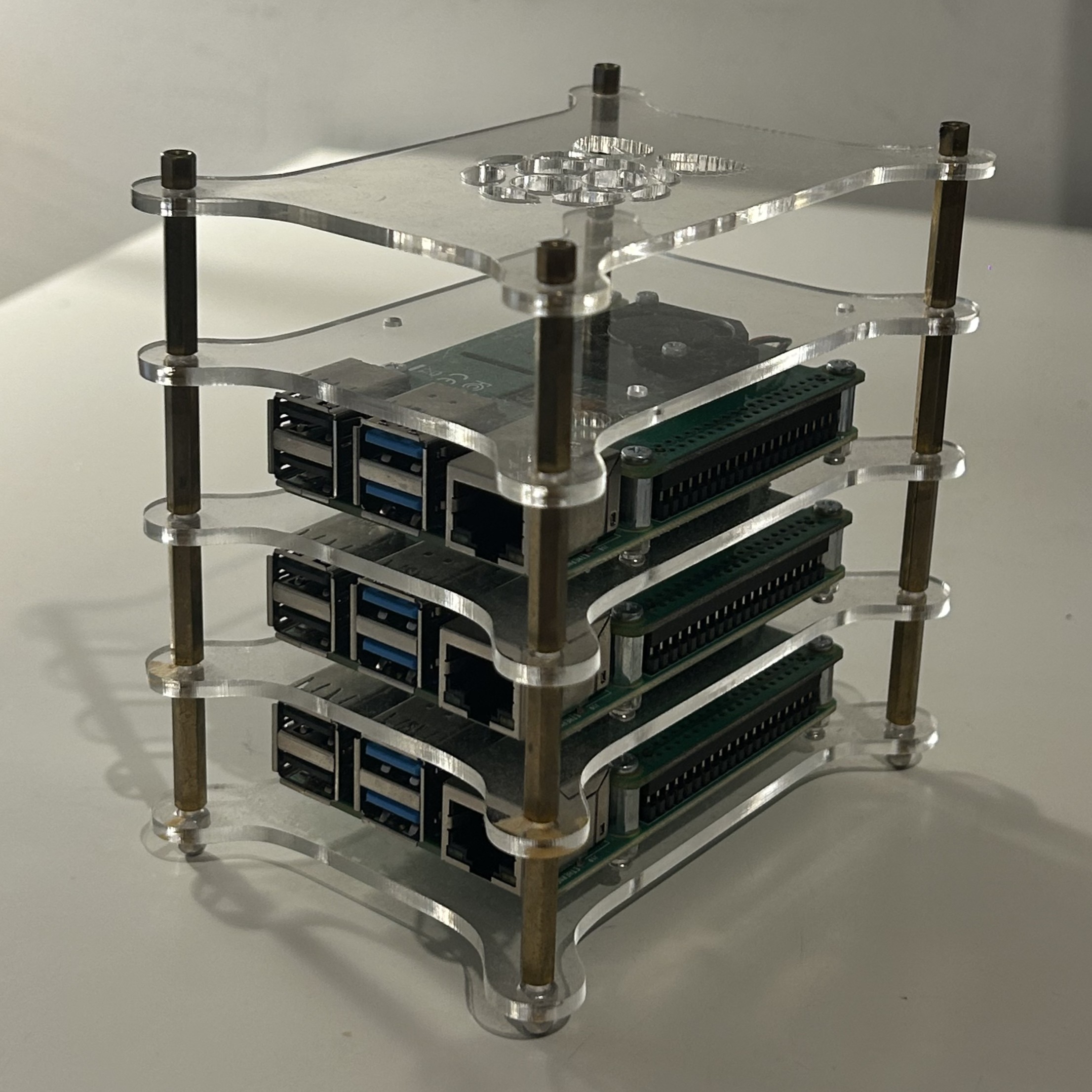
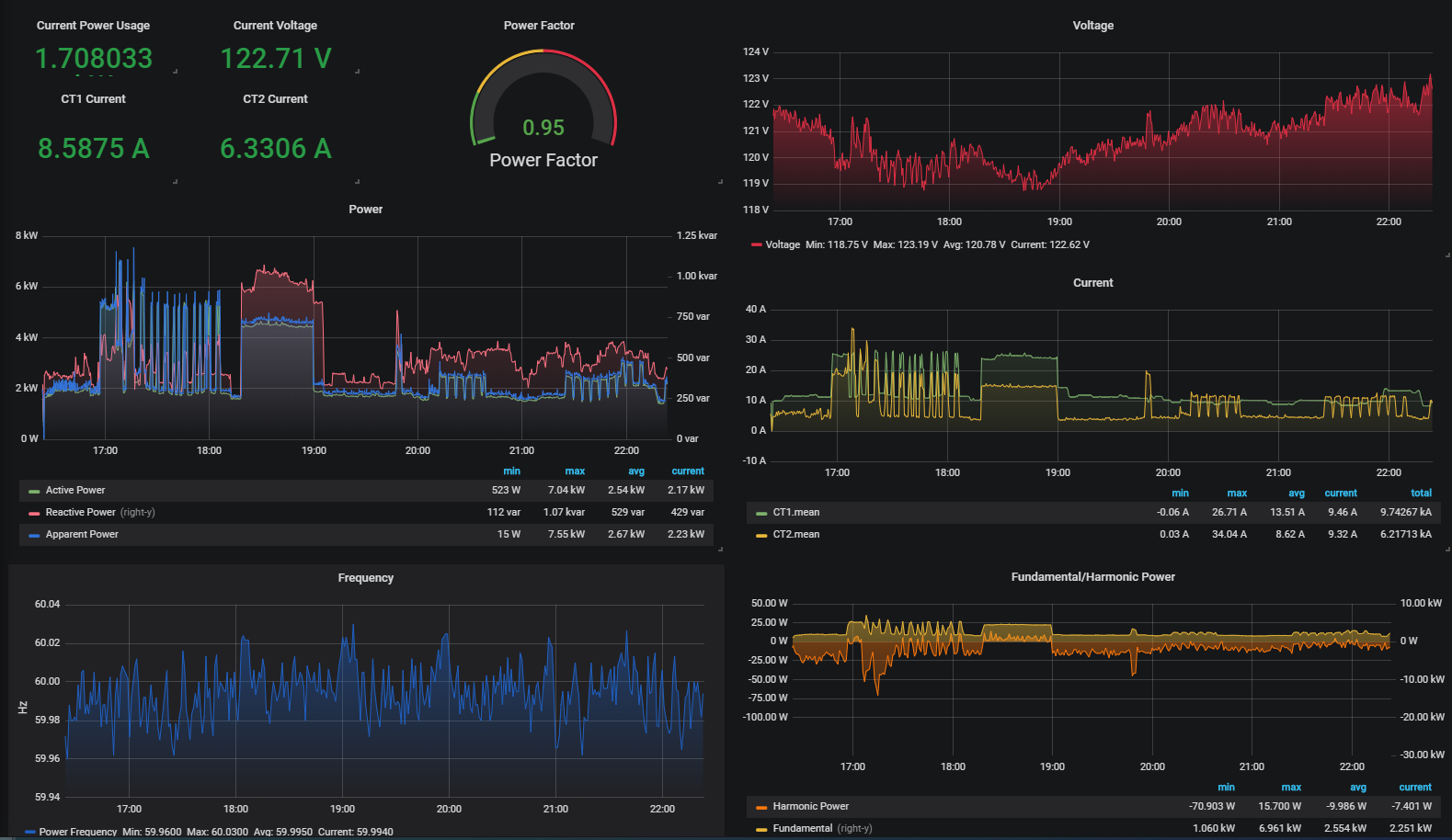
The cluster runs k3s on three Raspberry Pi nodes, with ArgoCD managing applications through the app-of-apps pattern. MetalLB provides local LoadBalancer services, NGINX Ingress handles HTTP and HTTPS routing, and cert-manager automates TLS. I run kube-prometheus-stack with tuned retention and resource limits so the monitoring stack stays useful on small ARM hardware.
Read the full build walkthrough in my homelab deep dive.
Highlight 2: CI/CD Pipeline Deployed on AWS Cloud Infrastructure
I built a full infrastructure automation project using Terraform, Ansible, Jenkins and Docker on AWS. The goal was a code-driven path from a blank AWS account to a running application, with no manual console steps and a clear cleanup path through terraform destroy.
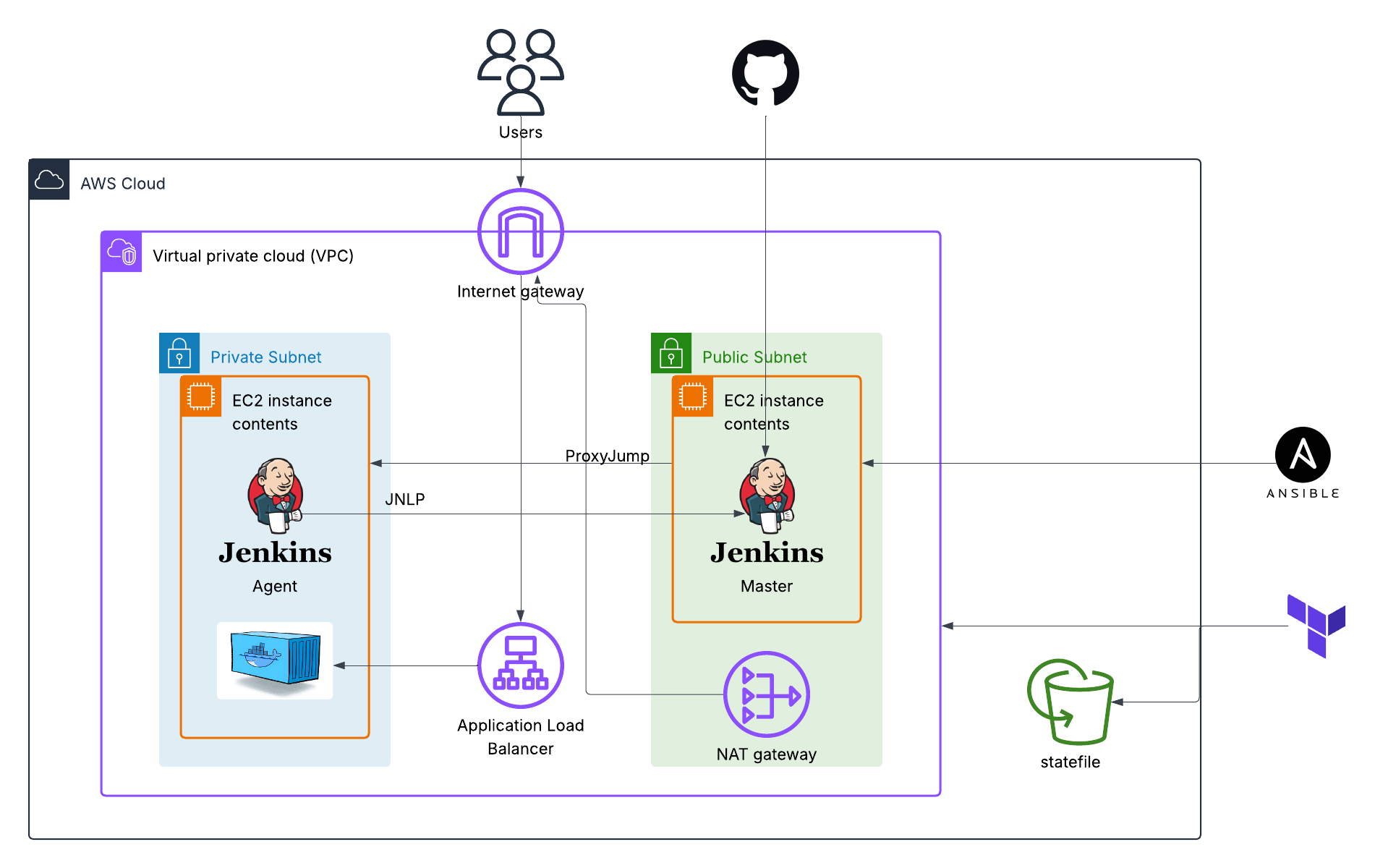
Terraform provisions the network, EC2 instances, security groups, IAM instance profile and S3-backed state. Ansible configures Jenkins, Docker, the AWS CLI and the application host. Jenkins builds the Docker image, runs tests, pushes the commit-tagged image to ECR and triggers deployment through Ansible.
The source repository is available here: aws-infra-ansible-terraform-jenkins-ci-cd.
Highlight 3: My Own Private VPS
I also maintain a private VPS for small services, dashboards and Docker-based web applications. It gives me a practical server to operate over time, including exposure control, HTTPS routing, monitoring and recovery.
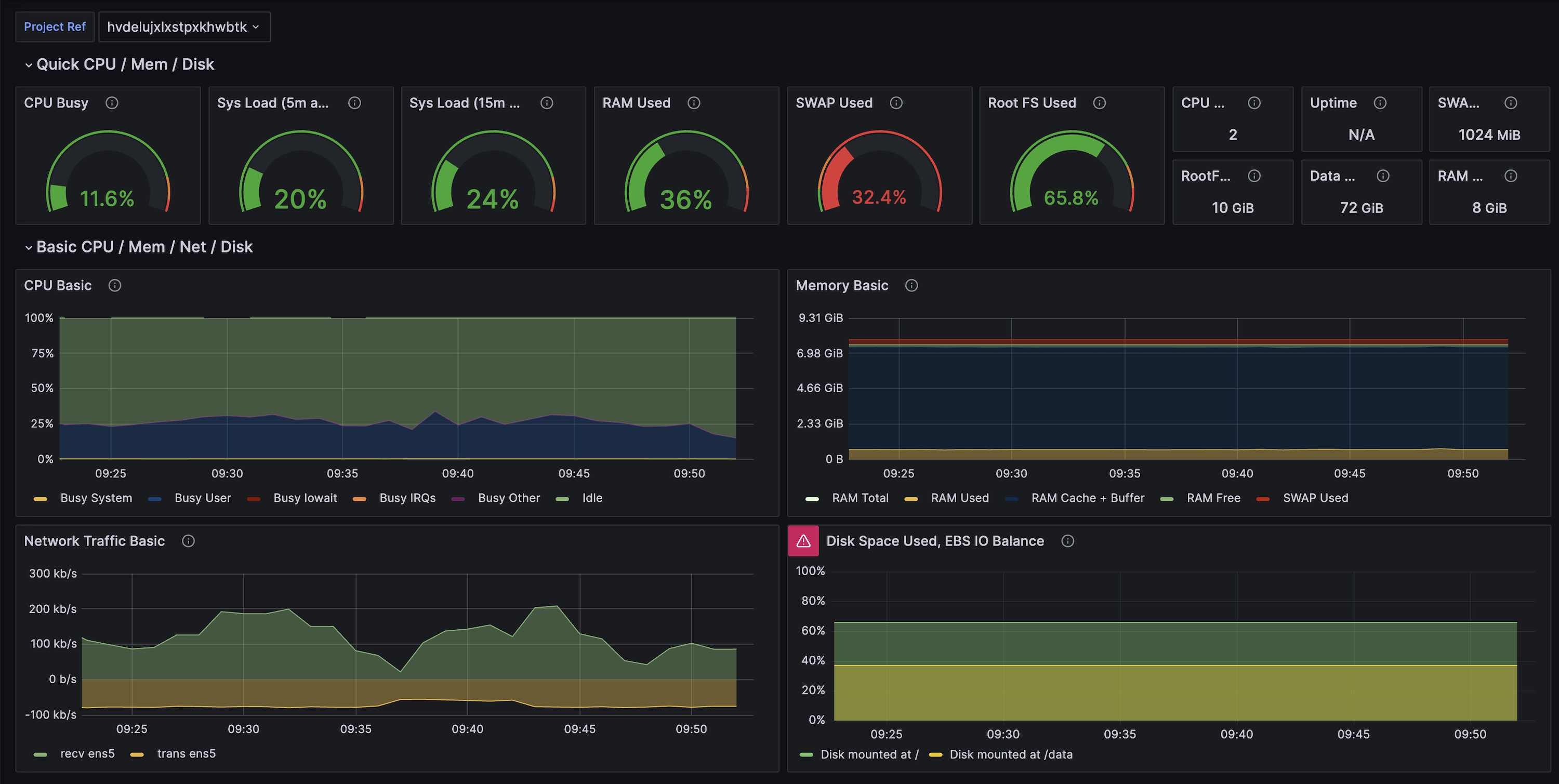
The VPS hosts services such as Uptime Kuma, Nginx Proxy Manager and multiple Docker applications. Public services sit behind HTTPS, while admin access and private tools stay behind Tailscale. Grafana dashboards track resource usage, service health and system behavior from an operations point of view.